If you're like me and trying to increase your intake of fresh fruits and vegetables, it can get frustrating when all that beautiful produce turns slimy and brown in your fridge.
Here's a helpful infographic, originally from BuzzFeed that just may turn your world around!
Wednesday, September 23, 2015
Friday, September 18, 2015
Pycnogenol for Osteoarthritis Relief
By Cathy Wong, ND
For people with osteoarthritis (the most common arthritis
form), a natural remedy known as Pycnogenol® may offer some relief of
symptoms like pain and stiffness. A substance sourced from the bark of the
French maritime pine tree, Pycnogenol® is thought to treat osteoarthritis in
part by reducing inflammation.
Sold in dietary supplement form, Pycnogenol® is also touted as a
natural treatment for conditions such as allergies, asthma, high cholesterol, and high blood pressure.
It's also said to possess anti-aging properties and to protect
against heart disease.
Why
Is It Sometimes Used for Osteoarthritis Relief?
Pycnogenol® contains procyanidins, a class of compounds with antioxidant effects. Preliminary research
suggests that procyanidins may influence the body's inflammatory response.
Since inflammation plays a key role in the development and progression of
osteoarthritis, it's thought that Pycnogenol®'s anti-inflammatory action may
aid in osteoarthritis management.
Research
on Osteoarthritis
To date, only a small
number of studies have evaluated Pycnogenol®'s effects in people with
osteoarthritis.
These studies include a clinical trial published in Phytotherapy Research in 2008, for which 100
osteoarthritis patients took either Pycnogenol® or a placebo each day for three months. At the
study's end, those treated with Pycnogenol® reported a greater improvement in
pain symptoms, compared to those given the placebo. What's more, members of the
Pycnogenol® group reduced their use of pain medication during the treatment
period, while members of the placebo group increased their use of such
medication.
In another study published in Phytotherapy Research in
2008, osteoarthritis patients assigned to three months of treatment with
Pycnogenol® also experienced a greater improvement in symptoms and a larger
decrease in pain medication use (in comparison to those given a placebo for the
same time period). In addition, patients treated with Pycnogenol® were able to
walk longer distances by the study's end.
Although these studies indicate that Pycnogenol® may be helpful
in the treatment of osteoarthritis, it should be noted that a report published
in the Cochrane Database of Systematic Reviews in 2012
determined that both studies were poorly designed. More research is needed to
confirm their findings.
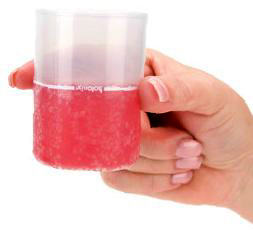
Isotonix OPC-3 is the
only liquid form of Pycnogenol® available.
It is gluten free, vegetarian and has no detectable GMOs. OPC-3
comes as a powder which wen mixed with the appropriate amount of water becomes “isotonic”
which means it is the same pressure as your bodily fluids and does not need to
be digested. So, when you drink your possibly
Pycnogenol®, you will not have any breakdown of the effectiveness due to
erosion by stomach acid. When taken on
an empty stomach Isotonix OPC-3 will pass through into your intestines where it
is absorbed into you blood stream in less than 15 minutes. It is the closest thing you can find to an IV
infusion of Pycnogenol®.
Alternatives
to Pycnogenol® for Osteoarthritis Relief
A number of other natural remedies may help ease the pain and
stiffness associated with osteoarthritis. For instance, studies have shown that glucosamine, bromelain and turmeric may help with osteoarthritis
control.
Some alternative therapies may also benefit people with
osteoarthritis. These therapies include massage and acupuncture. Additionally, taking up mind-body practices
like yoga and tai chi may help reduce osteoarthritis pain and improve
flexibility.
Because osteoarthritis is closely linked to chronic
inflammation, it's possible that following an anti-inflammatory diet high in omega-3 fatty acids and in antioxidant-rich
foods and may help manage osteoarthritis as well.
If you're thinking of
using any type of alternative medicine (including Pycnogenol®) in the treatment
of osteoarthritis, talk to your doctor for guidance in incorporating the remedy
into your treatment plan.
Sources
Belcaro G1, Cesarone MR, Errichi S, Zulli C, Errichi BM,
Vinciguerra G, Ledda A, Di Renzo A, Stuard S, Dugall M, Pellegrini L, Errichi
S, Gizzi G, Ippolito E, Ricci A, Cacchio M, Cipollone G, Ruffini I, Fano F,
Hosoi M, Rohdewald P. "Treatment of osteoarthritis with Pycnogenol. The
SVOS (San Valentino Osteo-arthrosis Study). Evaluation of signs, symptoms,
physical performance and vascular aspects." Phytother Res. 2008
Apr;22(4):518-23.
Original Article can be found at: http://altmedicine.about.com/od/arthritis/fl/Pycnogenol-for-Osteoarthritis-Relief.htm
Friday, September 4, 2015
Not just Tomato - Tomato Sauce
This tomato sauce sneaks a few of it's veggie friends to create a nutrient-rich and delicious sauce!
Makes 2 servings
Serve half of the sauce with tonight’s dinner and save half for Sunday’s lunch (make sure to store the meatballs and tomato sauce separately).
Ingredients
1 tablespoon extra virgin olive oil
1 medium yellow onion, roughly chopped
1/4 teaspoon kosher salt
freshly ground pepper
1 medium carrot, peeled and roughly chopped
3 cloves garlic, chopped
2 tablespoon balsamic vinegar
1 15-oz can low-sodium diced tomatoes
6 basil leaves, rough chopped
kosher salt and freshly ground pepper
1 tablespoon extra virgin olive oil
1 medium yellow onion, roughly chopped
1/4 teaspoon kosher salt
freshly ground pepper
1 medium carrot, peeled and roughly chopped
3 cloves garlic, chopped
2 tablespoon balsamic vinegar
1 15-oz can low-sodium diced tomatoes
6 basil leaves, rough chopped
kosher salt and freshly ground pepper
Procedure
NOTE #2: I put everything in the crockpot/slowcooker at 9pm on LOW and woke up to a delicious smelling kitchen and fresh hot sauce! I put oil and onions in first, then the rest of the fresh ingredients, drizzled the balsamic and topped with the tomatoes!
Heat olive oil in a medium (at least 3 quart) pot over medium heat. Add onion, kosher salt, and freshly ground pepper and cook, stirring occasionally, until softened, about 5 minutes. Add carrot and garlic and cook until carrot is soft, about 10 minutes. Increase the heat to high, then add the balsamic vinegar. Stir the vegetables around the pan and cook until most of the liquid has evaporated, about a minute. Add the diced tomatoes and basil and bring the mixture to a boil, then reduce to a simmer. Season with freshly ground pepper, cover, and simmer 45 minutes. Uncover the pot and continue to simmer, uncovered, for 10 minutes. Remove the sauce from the heat and let it cool for 10 minutes.
When the mixture has cooled slightly, transfer to a blender and puree for about 30 seconds, until there are no large chunks but the mixture isn’t totally smooth.
![]() |
| Cockpot Method |
![]() |
| Stove Top Method |
When the mixture has cooled slightly, transfer to a blender and puree for about 30 seconds, until there are no large chunks but the mixture isn’t totally smooth.
Alternatively, for chunkier sauce, blend with an immersion blender.
Tomato sauce will keep for up to 5 days, refrigerated in an airtight container.
Note #3: The double recipe made enough to freeze half for later!
Click the link for more information on the TLS Weight Loss 7-Day Detox
Yummy, Healthy Lime Vinaigrette!
BIG BATCH LIME VINAIGRETTE
Makes 1/3 cup
Makes 1/3 cup
Ingredientsjuice of 2 limes, strained (about 1/4 cup)
1/2 teaspoon kosher salt
1 teaspoon honey
1/4 cup olive oil
1/2 teaspoon kosher salt
1 teaspoon honey
1/4 cup olive oil
Procedure
In a small mixing bowl, combine lime juice, salt, and honey. Slowly drizzle in the olive oil while vigorously whisking the mixture with a small whisk. Whisk for an additional 30 seconds after all of the oil has been added.
Vinaigrette will keep up to 5 days, refrigerated in an airtight container.
If you are trying to detox from all sugar, try using stevia or monkfruit in the raw instead.
Wednesday, September 2, 2015
Top 6 Foods to Heal Leaky Gut
1. Collagen/Broth
2. Coconut Oil
Sauerkraut - Fermented vegetables
Kefir/Goat’s Milk
Blueberries
Yellow squash/pumpkin
What is Leaky Gut?
- WebMD defines Leaky Gut as: Intestinal Permeability. A possible cause of leaky gut is increased intestinal permeability or intestinal hyperpermeability. That could happen when tight junctions in the gut, which control what passes through the lining of the small intestine, don't work properly. That could let substances leak into the bloodstream.
- Leaky gut Syndrome has been linked to many health challenges such as:
· Allergies· Asthma· Autism· Autoimmune disease· Eczema and psoriasis· Inflammatory bowel disease· Rheumatoid arthritis· Systemic inflammatory response syndrome (SIRS)· Type 1 diabetes - But how do you know if you have a leaky gut? Here are some symptoms:
- Food sensitivies
- Inflammatory Bowel Disease (IBS & Ulcerative Colitis)
- Thyroid problems
- Malabsorbtion - nutritional deficiencies
- Infamatory Skin Conditions - acne & psoriasis
- Mood issues
- Think you may have leaky gut? Talk to your doctor and consider taking supplements such as Probiotics & Digestive Enzymes to help repair your intestines. And check out the Top 6 Foods to help Heal Leaky Gut
Tuesday, September 1, 2015
10 Amazing Benefits of Matcha Green Tea
1. High in Antioxidants
We’ve all read this word before. Antioxidants are the magical nutrients and enzymes responsible for fighting against the negative effects of UV radiation, giving us younger-looking skin, and preventing a number of life-threatening maladies. Antioxidants are something that all health-conscious individuals seek from such foods as raw fruits, green veggies, and (let’s not forget) dark chocolate. The first amazing benefit of Matcha Green Tea is that just one bowl provides over 5 times as many antioxidants as any other food – the highest rated by the ORAC (oxygen radical absorbance capacity) method.
Furthermore, on that note…
2. Loaded with Catechin, EGCg
You may have already heard that not all antioxidants are created equal. Green tea contains a specific set of organic compounds known as catechins. Among antioxidants, catechins are the most potent and beneficial. One specific catechin called epigallocatechin gallate (EGCg) makes up 60% of the catechins in Matcha Green Tea. Out of all the antioxidants, EGCg is the most widely recognized for its cancer fighting properties. Scientists have found that Matcha Green Tea contains over 100 times more EGCg than any other tea on the market.
3. Enhances Calm
For over a millennium, Matcha Green Tea has been used by Chinese Daoists and Japanese Zen Buddhist monks as a means to relax and meditate while remaining alert. Now we know that this higher state of consciousness is due to the amino acid L-Theanine contained in the leaves used to make Matcha. L-Theanine promotes the production of alpha waves in the brain which induces relaxation without the inherent drowsiness caused by other “downers.”
4. Boosts Memory and Concentration
Another side-effect of L-Theanine is the production of dopamine and serotonin. These two chemicals serve to enhance mood, improve memory, and promote better concentration – something that can benefit everyone!
5. Increases Energy Levels and Endurance
Samurai, the noble warriors of medieval and early-modern Japan, drank Matcha Green Tea before going into battle due to the tea’s energizing properties. While all green tea naturally contains caffeine, the energy boost received from Matcha is largely due to its unique combination of other nutrients. The increased endurance from a bowl of Matcha Green Tea can last up to 6 hours and because of the effects of L-Theanine, Matcha drinkers experience none of the usual side-effects of stimulants such as nervousness and hypertension. It’s good, clean energy.
6. Burns Calories
Drinking Matcha Green Tea has also been shown to increase metabolism and help the body burn fat about four times faster than average. Again, unlike many diet aides currently on the market, Matcha causes no negative side-effects such as increased heart rate and high blood pressure.
7. Detoxifies the Body
During the last three weeks before tea leaves are harvested to be made into Matcha, Camellia sinensis are covered to deprive them of sunlight. This causes a tremendous increase in chlorophyll production in the new growth of these plants. The resulting high levels of chlorophyll in Matcha Green Tea not only give this tea its beautiful vibrant green color. Matcha is also a powerful detoxifier capable of naturally removing heavy metals and chemical toxins from the body.
8. Fortifies the Immune System
The catechins in Matcha Green Tea have been shown to have antibiotic properties which promote overall health. Additionally, just one bowl of Matcha Green Tea provides substantial quantities of Potassium, Vitamins A & C, Iron, Protein, and Calcium. Further studies have even suggested that the nutrients in Matcha may have the ability to inhibit the attacks of HIV on human T-cells.
9. Improves Cholesterol
Researchers aren’t entirely certain how Matcha Green Tea has such a positive effect on cholesterol, however studies of different populations have show that people who drink Match Green Tea on a regular basis have lower levels of LDL (bad) cholesterol while at the same time displaying higher levels of HDL (good) cholesterol. Men who drink Matcha Green Tea are about 11% less likely to develop heart disease than those who don’t drink Matcha.
Finally, the tenth and final benefit of drinking Matcha Green Tea…
10. Amazing Flavor
Drinking something just because it’s healthy can be a lot like swallowing medicine. It’s unpleasant and you dread it, but you feel obligated to do it. After all, it’s good for you… right? Sure, but wouldn’t you rather look forward to improving your overall well-being? Of course you would!
Fortunately, Matcha is absolutely wonderful all by itself. It’s crisp vegetative notes are complimented by the savory taste of the L-Theanine amino acid making Matcha a tea that is truly unique in every way. I like mine with a little Coconut Milk and honey. So sit back, relax, and enjoy a delicious bowl of hot Matcha.
We’ve all read this word before. Antioxidants are the magical nutrients and enzymes responsible for fighting against the negative effects of UV radiation, giving us younger-looking skin, and preventing a number of life-threatening maladies. Antioxidants are something that all health-conscious individuals seek from such foods as raw fruits, green veggies, and (let’s not forget) dark chocolate. The first amazing benefit of Matcha Green Tea is that just one bowl provides over 5 times as many antioxidants as any other food – the highest rated by the ORAC (oxygen radical absorbance capacity) method.
Furthermore, on that note…
2. Loaded with Catechin, EGCg
You may have already heard that not all antioxidants are created equal. Green tea contains a specific set of organic compounds known as catechins. Among antioxidants, catechins are the most potent and beneficial. One specific catechin called epigallocatechin gallate (EGCg) makes up 60% of the catechins in Matcha Green Tea. Out of all the antioxidants, EGCg is the most widely recognized for its cancer fighting properties. Scientists have found that Matcha Green Tea contains over 100 times more EGCg than any other tea on the market.3. Enhances Calm
For over a millennium, Matcha Green Tea has been used by Chinese Daoists and Japanese Zen Buddhist monks as a means to relax and meditate while remaining alert. Now we know that this higher state of consciousness is due to the amino acid L-Theanine contained in the leaves used to make Matcha. L-Theanine promotes the production of alpha waves in the brain which induces relaxation without the inherent drowsiness caused by other “downers.”
4. Boosts Memory and Concentration
Another side-effect of L-Theanine is the production of dopamine and serotonin. These two chemicals serve to enhance mood, improve memory, and promote better concentration – something that can benefit everyone!
5. Increases Energy Levels and Endurance
Samurai, the noble warriors of medieval and early-modern Japan, drank Matcha Green Tea before going into battle due to the tea’s energizing properties. While all green tea naturally contains caffeine, the energy boost received from Matcha is largely due to its unique combination of other nutrients. The increased endurance from a bowl of Matcha Green Tea can last up to 6 hours and because of the effects of L-Theanine, Matcha drinkers experience none of the usual side-effects of stimulants such as nervousness and hypertension. It’s good, clean energy.
6. Burns Calories
Drinking Matcha Green Tea has also been shown to increase metabolism and help the body burn fat about four times faster than average. Again, unlike many diet aides currently on the market, Matcha causes no negative side-effects such as increased heart rate and high blood pressure.
7. Detoxifies the Body
During the last three weeks before tea leaves are harvested to be made into Matcha, Camellia sinensis are covered to deprive them of sunlight. This causes a tremendous increase in chlorophyll production in the new growth of these plants. The resulting high levels of chlorophyll in Matcha Green Tea not only give this tea its beautiful vibrant green color. Matcha is also a powerful detoxifier capable of naturally removing heavy metals and chemical toxins from the body.
8. Fortifies the Immune System
The catechins in Matcha Green Tea have been shown to have antibiotic properties which promote overall health. Additionally, just one bowl of Matcha Green Tea provides substantial quantities of Potassium, Vitamins A & C, Iron, Protein, and Calcium. Further studies have even suggested that the nutrients in Matcha may have the ability to inhibit the attacks of HIV on human T-cells.
9. Improves Cholesterol
Researchers aren’t entirely certain how Matcha Green Tea has such a positive effect on cholesterol, however studies of different populations have show that people who drink Match Green Tea on a regular basis have lower levels of LDL (bad) cholesterol while at the same time displaying higher levels of HDL (good) cholesterol. Men who drink Matcha Green Tea are about 11% less likely to develop heart disease than those who don’t drink Matcha.
Finally, the tenth and final benefit of drinking Matcha Green Tea…
10. Amazing Flavor
Drinking something just because it’s healthy can be a lot like swallowing medicine. It’s unpleasant and you dread it, but you feel obligated to do it. After all, it’s good for you… right? Sure, but wouldn’t you rather look forward to improving your overall well-being? Of course you would!
Fortunately, Matcha is absolutely wonderful all by itself. It’s crisp vegetative notes are complimented by the savory taste of the L-Theanine amino acid making Matcha a tea that is truly unique in every way. I like mine with a little Coconut Milk and honey. So sit back, relax, and enjoy a delicious bowl of hot Matcha.
Original Article Courtesy of NaturalLivingIdeas.com
Subscribe to:
Posts (Atom)


